


Exposure
Miguel Peña didn’t start out to be a missionary. As a chemical engineer, he worked for 15 years for a private company. During those years, he was exposed time and time again to missions through his church. Little did he know that God was preparing him to be a missionary in his home country of Mexico.
Mixed Beliefs
But God was. He was preparing Miguel to work among the Triqui people of San Quintín, Baja California, Mexico. After moving in among the Triqui people, gaining fluency in their language, and developing relationships with the people, it became clear that syncretism was a huge problem among the Triqui.
“They’ve mixed their animistic beliefs with ... Christianity,” Miguel said.
He explained how they worship the sun and make sacrifices to the rain god so that it will rain. And when someone dies, they put clothing, money and other items in the coffin to be used on their long journey. They never say where that journey will take them because they really don’t know. They have no security of what eternity holds.
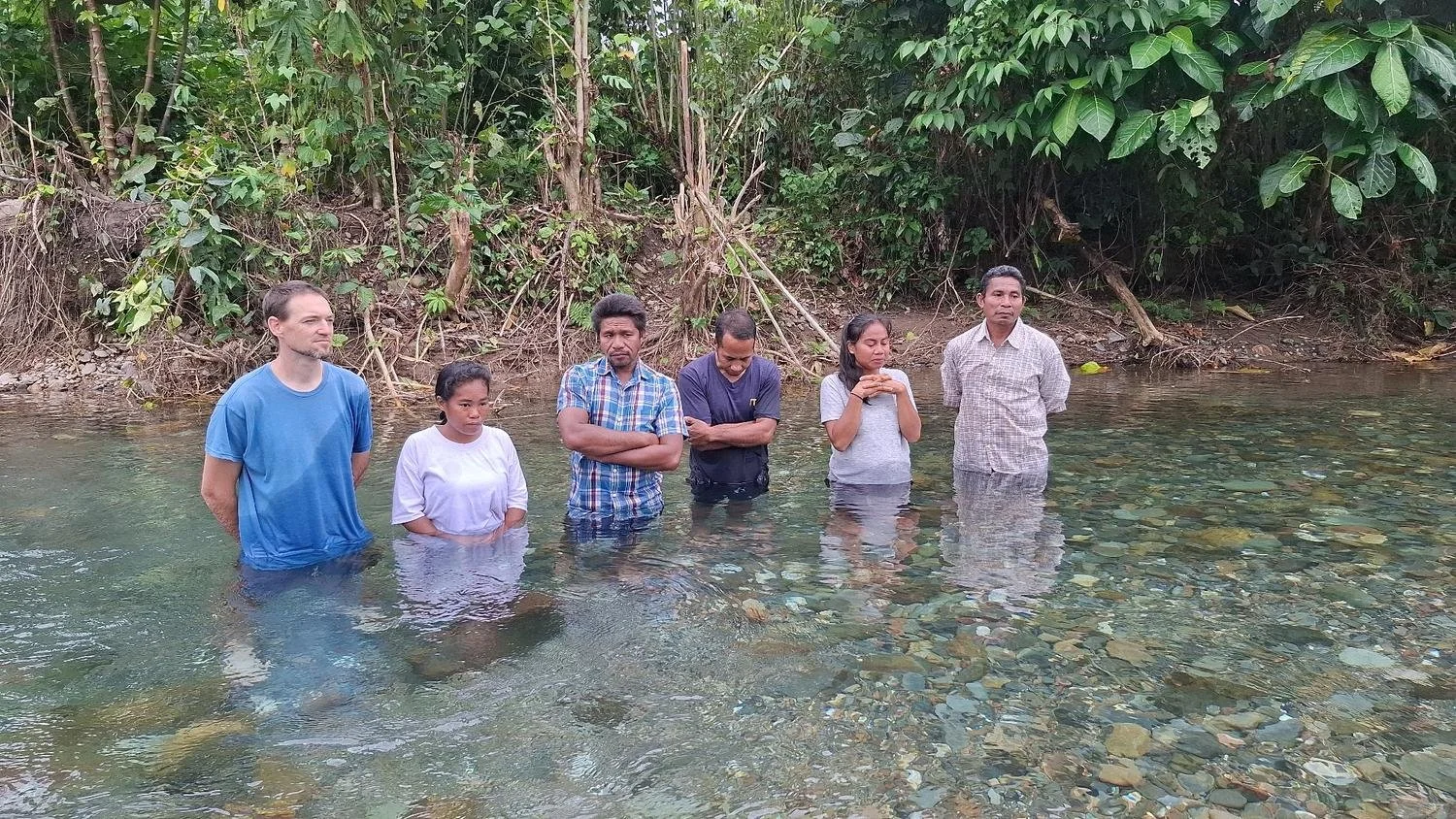
On the other hand, some believe they are Christians simply because they go to church, while many are baptized for the material gain of new clothing, food and other gifts that are offered by “churches” competing for their membership. Others attend services, praying and applauding with no real understanding.
They have a form of religion with no real relationship with their Creator.
"THEY’VE MIXED THEIR ANIMISTIC BELIEFS WITH ... CHRISTIANITY. ... SEEING THIS REALITY MOTIVATES ME AS I TRANSLATE ... SO THAT THEY CAN HEAR THE GOSPEL IN A WAY THAT’S UNDERSTANDABLE TO THEM."
Motivation
“Seeing this reality motivates me as I translate and prepare chronological Bible lessons so that they can hear the gospel in a way that’s understandable to them in their own language and culture,” Miguel says. “It’s hard work, but God helps me.”
The first 30 lessons are ready to be checked and then revised. Miguel, along with the his co-workers Amelia Orrostieta and Gricelda Villalba, is looking to the day when teaching will begin and the Triqui people will have their eyes opened to the truths of God’s Word.